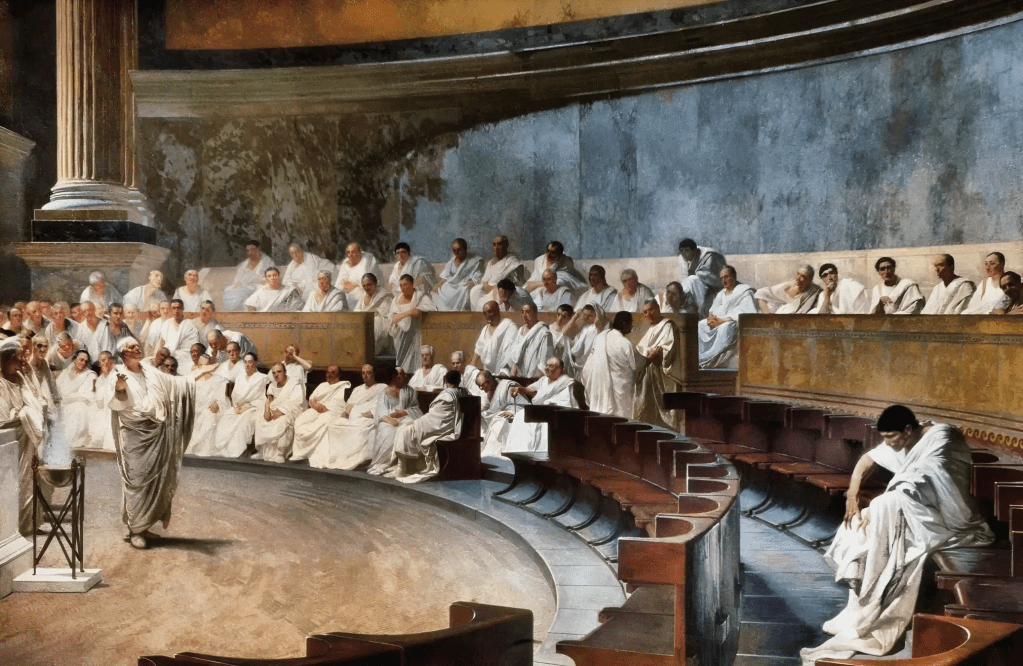
The term diplomacy comes from the Ancient Greek word diploa, which referred to a “double-folded leaf, document, or object.” Over time, this evolved into the French word “diplôme,” meaning an “official document or license.” Today, diplomacy is generally seen as the art of managing international relations. It involves addressing foreign policy issues. Often, the goal is to maintain peace.
Hans Morgenthau, a key figure in international relations, defined diplomacy as “the art of bringing the different elements that make up national power into a structure that can have the highest impact on international issues and situations that most closely and directly concern national interests” (Morgenthau, 1970, pp. 181–183).
Diplomacy plays an essential role in foreign policy. It works to promote peace by fostering effective communication and promoting peaceful solutions, regardless of differences in race, religion, language, or sect.
Early Forms of Diplomacy
Diplomacy began to take shape as primitive social structures evolved into more complex and organized societies. The earliest known form, often called “ad hoc diplomacy,” appeared in the ancient Greek city-states. This type of diplomacy was typically temporary and one-sided, with representatives chosen for specific missions abroad. Once their tasks were completed, they would return home.
These early diplomats, commonly referred to as messengers, were expected to have excellent memories to recall their instructions and strong voices to deliver their messages clearly. According to legend, these traits were gifts from the god Hermes, who was believed to protect them. For this reason, they were often called the “messengers of the gods” (Tören, Deniz, 2011, Diplomacy and Its Evolution Throughout History).
Diplomacy in Ancient Civilizations
In ancient civilizations, diplomacy supported the foreign policy goals of theocratic empires. These regimes, built on systems of primitive land-based slavery, extended their influence primarily through military force and economic pressure. Their diplomatic efforts were often tied to ambitions of territorial expansion, the acquisition of slaves, and the creation of new trade routes and markets.
While it is likely that some form of diplomatic interaction existed among tribes or clans in prehistoric times, there is no written evidence to confirm this. For this reason, the origins of recorded diplomacy are more reliably traced to the Sumerians, who developed cuneiform—the world’s first writing system.
The diplomatic groundwork laid by these early civilizations plays an essential role in understanding how diplomacy has evolved. Studying these early practices helps us see the roots of modern diplomatic principles and how they took shape over time.
 Seirēnes
Leave a comment