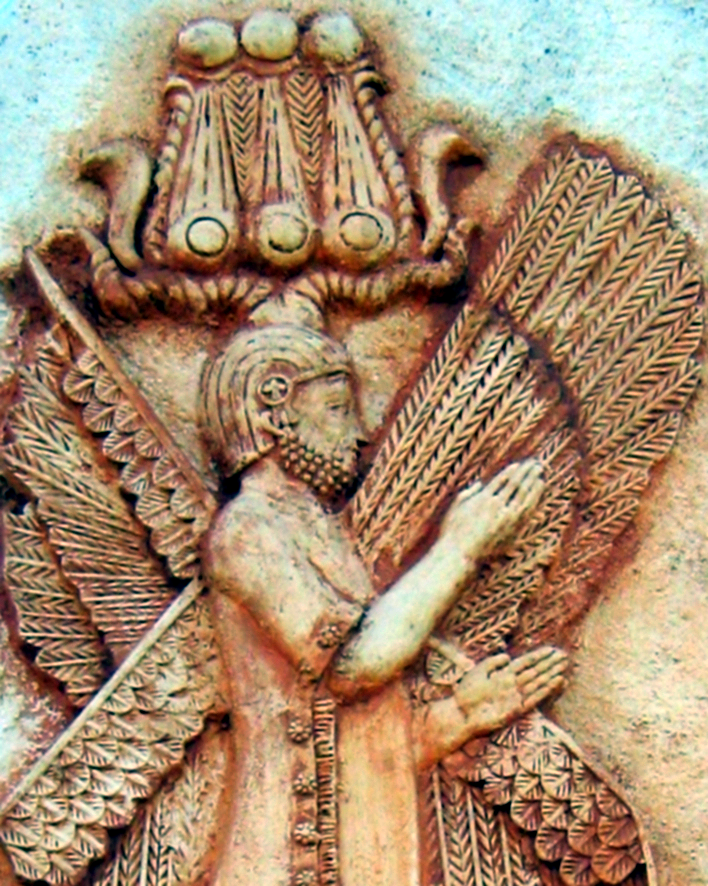

The Achaemenid Empire, established by Cyrus the Great in 550 BCE and lasting until 330 BCE, is often heralded as the first great empire of antiquity. At its zenith, the Persian Empire extended from the eastern Mediterranean to the western borders of India, encompassing vast territories across Africa, Asia, and Europe. This geopolitical expanse necessitated a sophisticated approach to governance and diplomacy, distinguishing the Persians from their predecessors, notably the Assyrians, who had ruled much of Mesopotamia half a century earlier.
The Persian Empire’s remarkable ability to maintain control over such a diverse and extensive territory was due, in large part, to its innovative and inclusive diplomatic strategies. Unlike the Assyrians, whose reign was marked by rigid control and harsh methods, the Persians adopted a more conciliatory and egalitarian approach to diplomacy. This method of governance and foreign policy allowed the Persian Empire to flourish and sustain itself across various cultural and geographical landscapes.
A cornerstone of Persian diplomacy was the principle of non-interference in the cultural and administrative practices of conquered regions. This policy was succinctly captured by Touraj Daryaee, Head of the Maseeh Chair at the Center for Persian Studies and Culture, who noted, “The Achaemenid Empire differed sharply from its predecessors. We’re talking about the first world empire here. The Persian Empire was an Afro-Eurasian empire because it included regions belonging to the African, Asian, and European continents.” As long as subject communities fulfilled their obligation to pay taxes to the Persian Shah, they were granted significant autonomy. This autonomy extended to internal administration, religion, language, and culture, thereby fostering a sense of local governance while maintaining overall loyalty to the central authority.
Religious Foundations of Persian Diplomacy
The religious beliefs of the Persians played a crucial role in shaping their diplomatic practices. Central to this was the worship of the god Mithra, who was believed to oversee all treaties and agreements with his “thousand eyes.” Mithra, a significant deity in Iranian religion, was seen as a divine guarantor of covenants, whether between individuals or states. The Persians held that breaking a treaty was a grave sin, with severe divine repercussions. This religious framework instilled a profound respect for honesty and loyalty in diplomatic relations, making the Persians renowned for their adherence to treaties and agreements.
The Principle of ‘Divide and Rule’
The principle of “divide and rule” was another pivotal element of Persian diplomacy. This strategy involved leveraging the existing conflicts and alliances among various subject states and rival powers to maintain and extend Persian dominance. In the case of the Greek city-states, Persian diplomats astutely manipulated their rivalries and alliances to the empire’s advantage. This approach not only prevented the formation of unified opposition against Persian rule but also facilitated the expansion and consolidation of the empire’s territory.
Military Prowess and Diplomatic Acumen
While Persian diplomacy emphasized non-interference and respect for local customs, it was underpinned by a formidable military presence. The empire’s central authority was maintained through a network of satrapies, or provinces, each overseen by a governor, or satrap. These satraps were responsible for collecting taxes, maintaining order, and providing military support to the central government. This system of governance allowed the Persian Empire to project power effectively while preserving the autonomy of its diverse subjects.
Decline and Fall of the Persian Empire
Despite its initial success and innovative diplomatic strategies, the Persian Empire, like other great empires, eventually succumbed to internal and external pressures. Following its peak, the empire faced a series of challenges, including uprisings, rebellions, and declarations of independence by various states under its control. These internal fractures were exacerbated by the military campaigns of Alexander the Great, whose conquest ultimately led to the fall of the Persian Empire in 330 BCE.
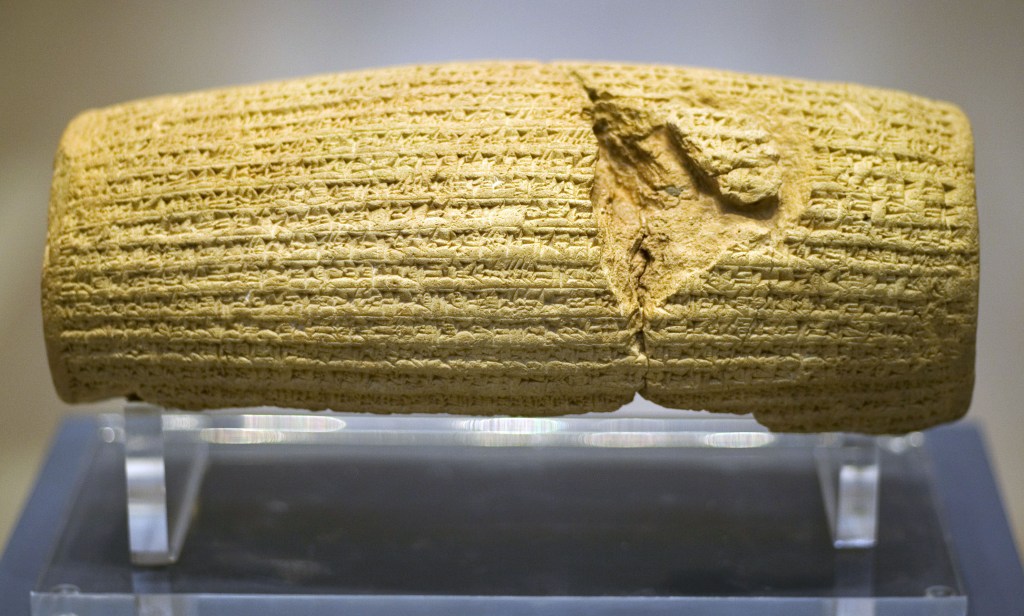
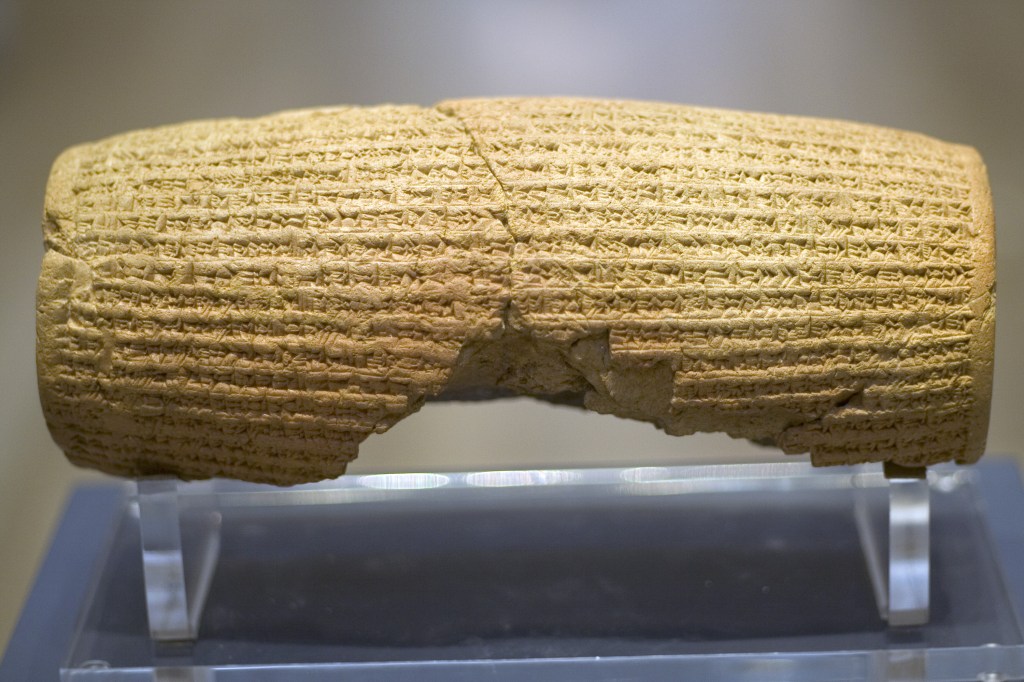
- The Cyrus Cylinder is said to be the world’s first Constitution and was hand-written on a baked clay cylinder in Akkadian.
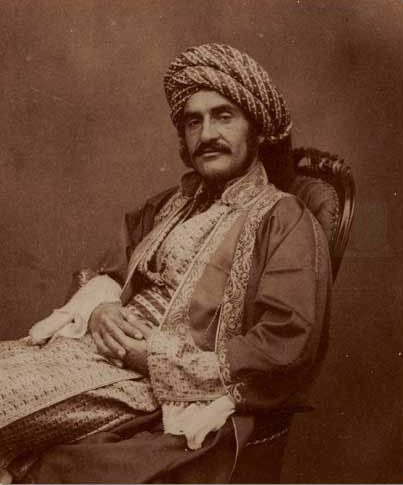
- Hormuzd Rassam in Mosul circa 1854. The Cyrus Cylinder was discovered during Rassam’s excavations in Babylon in February–March 1879.
 Seirēnes
Leave a comment