
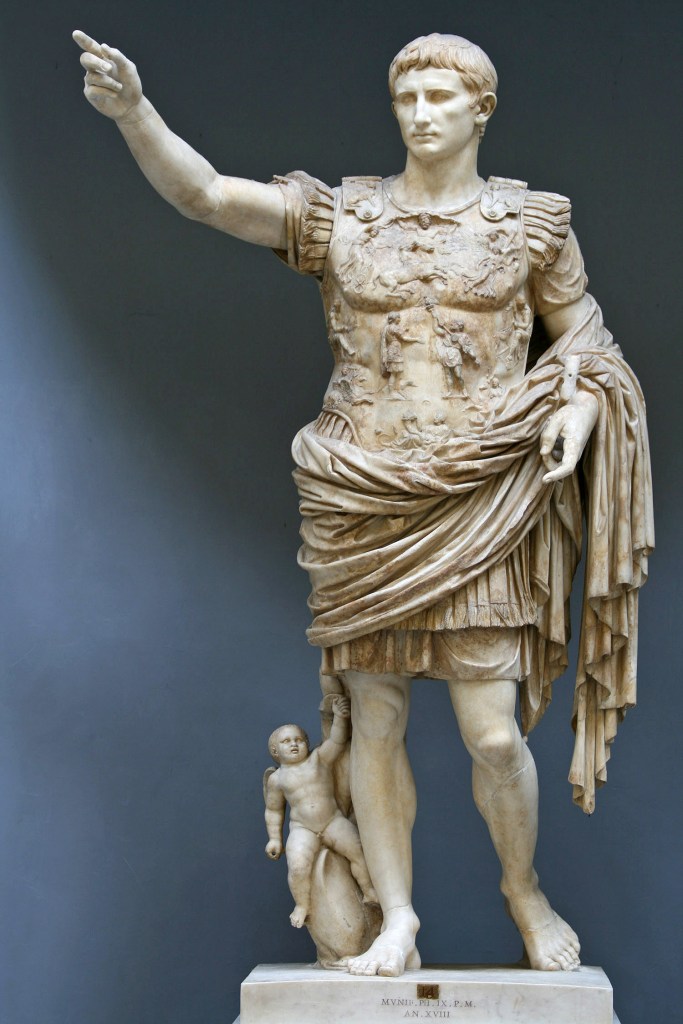
The Roman Empire, founded by Augustus around 330 BCE and enduring until its collapse in 1453 CE, stands as one of history’s longest-lasting and most influential empires. The cornerstone of Rome’s expansion and longevity was its vision of creating a “world empire.” This vision was underpinned by a disciplined military, a robust legal system, well-structured republican institutions, and sophisticated diplomatic traditions. The Roman approach to diplomacy was instrumental in shaping the empire’s interactions with other states and in maintaining its hegemony over vast territories.
Much like the Greek world, the Roman Empire developed a highly sophisticated system of diplomacy. The role of the ambassador was deeply respected and institutionalized. The first Roman ambassador was Consul Spurius Cassius, indicating the importance of high social status in diplomatic roles. In Rome, ambassadors were sacrosanct figures, protected by strict laws regardless of the state of peace or war. They carried official documents granting them safe passage and were accommodated in designated guesthouses known as hospitium.
Roman ambassadors, while esteemed, had limited powers and specific duties. They were prohibited from accepting gifts; any gifts received were to be handed over to the state treasury. This practice highlighted the integrity expected of Roman envoys. The diplomatic encounter with Egypt in 273 BCE exemplifies this principle, where the receipt of expensive gifts by Roman ambassadors caused considerable alarm due to the strict regulations governing their conduct.
Core Principles of Roman Diplomacy
Several core principles underpinned the strength and success of Roman diplomacy and foreign policy:
- Divide et Impera (Divide and Conquer): Roman diplomacy was characterized by a strategic and calculated approach. Decisions were made after extensive deliberation between the Emperor and the Senate, ensuring that the chosen course of action was in the empire’s best interest. The Romans adeptly prevented powerful rivals from forming alliances by supporting weaker factions and fomenting conflicts between hostile kingdoms. When wars erupted, Rome positioned itself as a peacemaker, thereby extending its influence and control.
- Roman Friendship and Citizenship: The concept of Roman citizenship was flexible and used as a diplomatic tool. Roman citizenship was a prestigious status, often granted to collaborators and allies. This inclusive policy fostered loyalty and facilitated the assimilation of diverse populations into the Roman Empire. However, this practice, while initially strengthening the empire, eventually contributed to its downfall as it diluted the exclusive identity of Roman citizenship.
- Discipline and Honor: Roman decision-making was characterized by clarity and decisiveness. Unlike the Greeks, Romans did not second-guess their decisions once made. The best interests of the empire were paramount, often outweighing the personal interests of the Emperor and the Senate. This disciplined approach ensured that decisions were implemented efficiently and consistently. Moreover, unlike in the Greek world, Roman political leaders did not seek asylum in enemy territories if they failed; instead, they faced severe consequences, including suicide or exile to a quiet life.
Challenges and Shortcomings of Roman Diplomacy
Despite its strengths, Roman diplomacy was not without flaws. The Roman Senate made several strategic errors that had significant repercussions. One notable example was the deliberate weakening of Greek port cities and navies, perceived as a threat to Roman dominance. This shortsighted policy led to a surge in piracy in the Mediterranean, a problem that plagued Rome for a century and required considerable resources to address.

 Seirēnes
Leave a comment